Why we teach fermentation this way
Xaxoza Hohahe was built on a straightforward premise: fermentation is a learnable skill, and most people learn it best by watching someone else do it first.
Practical education, no shortcuts
Fermentation has been a kitchen practice for thousands of years. It doesn't require expensive equipment or formal training. It does require understanding the fundamentals: what conditions microorganisms need, how to recognize when something is working, and what to do when it isn't.
Most resources available online treat fermentation as a recipe to be followed. Our curriculum treats it as a process to be understood. That shift changes how you learn, and it changes how well you retain what you've learned when something goes differently than expected.
We are based in Cincinnati, OH and operate as an educational platform only. We don't make health claims, we don't sell cultures or equipment, and we don't offer personalized advice of any kind. What we do is teach fermentation technique through clear, well-structured video content.
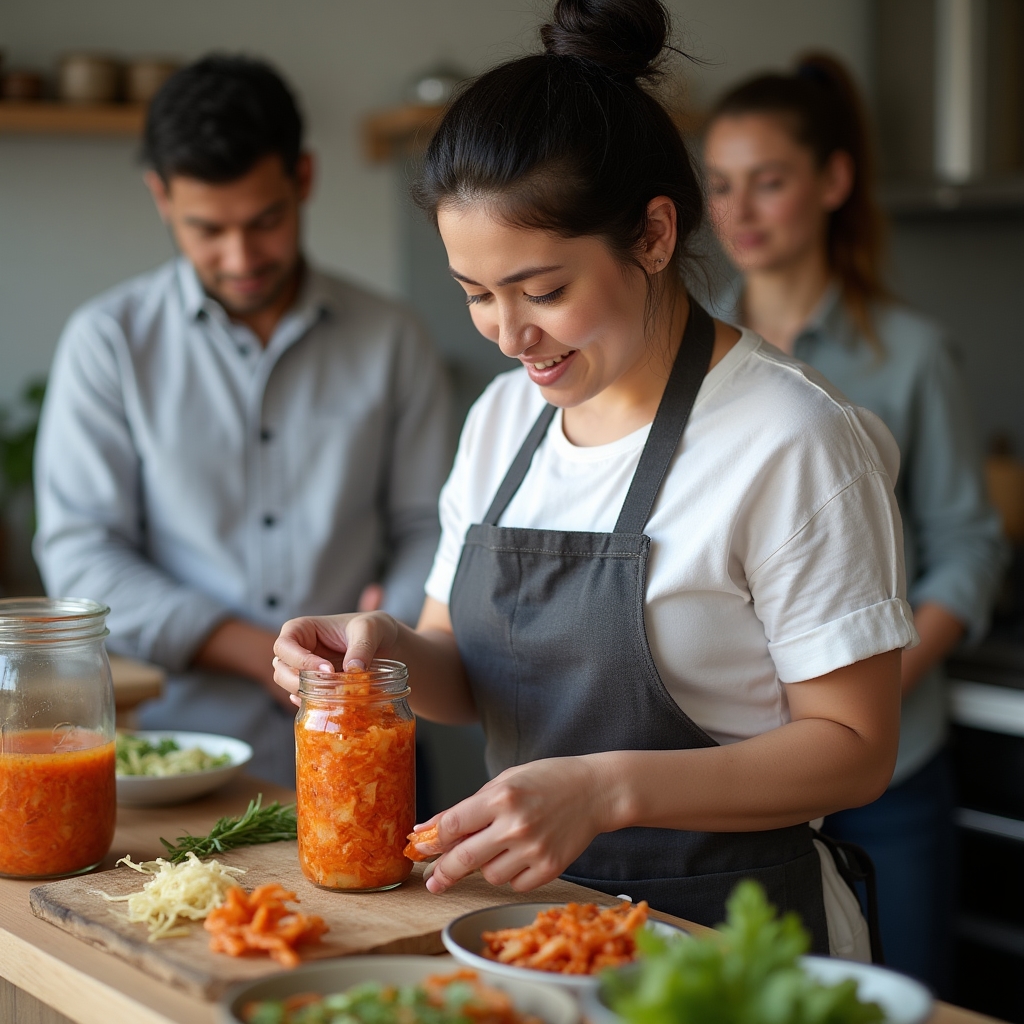
What shapes the curriculum
Transparency About Process
Every lesson explains not just what to do but why it works. We believe understanding the underlying process is what separates a confident fermenter from someone who just follows a recipe.
No Overclaiming
We are a cooking education platform. We don't make nutritional claims, health statements or therapeutic suggestions. Our content is purely about technique and process.
Accessible to Beginners
No prior fermentation experience is required for any of our courses. Each module starts from the beginning and builds from there. Nothing is assumed.
Built for Real Kitchens
All techniques are demonstrated using equipment available at standard kitchen stores or online. No specialty fermentation lab is needed. Your home kitchen is the classroom.

How the courses are structured
Each course module is divided into short, focused video segments rather than long uninterrupted recordings. This structure allows learners to pause at the right moment, complete one step, then return for the next.
Accompanying written materials are included with every module. These aren't transcripts. They're reference documents: ratio tables, timing guides, equipment notes and troubleshooting flowcharts designed to sit beside you in the kitchen.
Courses are organized by fermentation type rather than difficulty level because most fermentation methods are accessible to beginners with the right guidance. Intermediate content within each module covers variations, refinements and edge cases.
Find the right course for where you are
Whether you're completely new to fermentation or looking to develop a specific technique further, the availability page lists all current and upcoming course options.