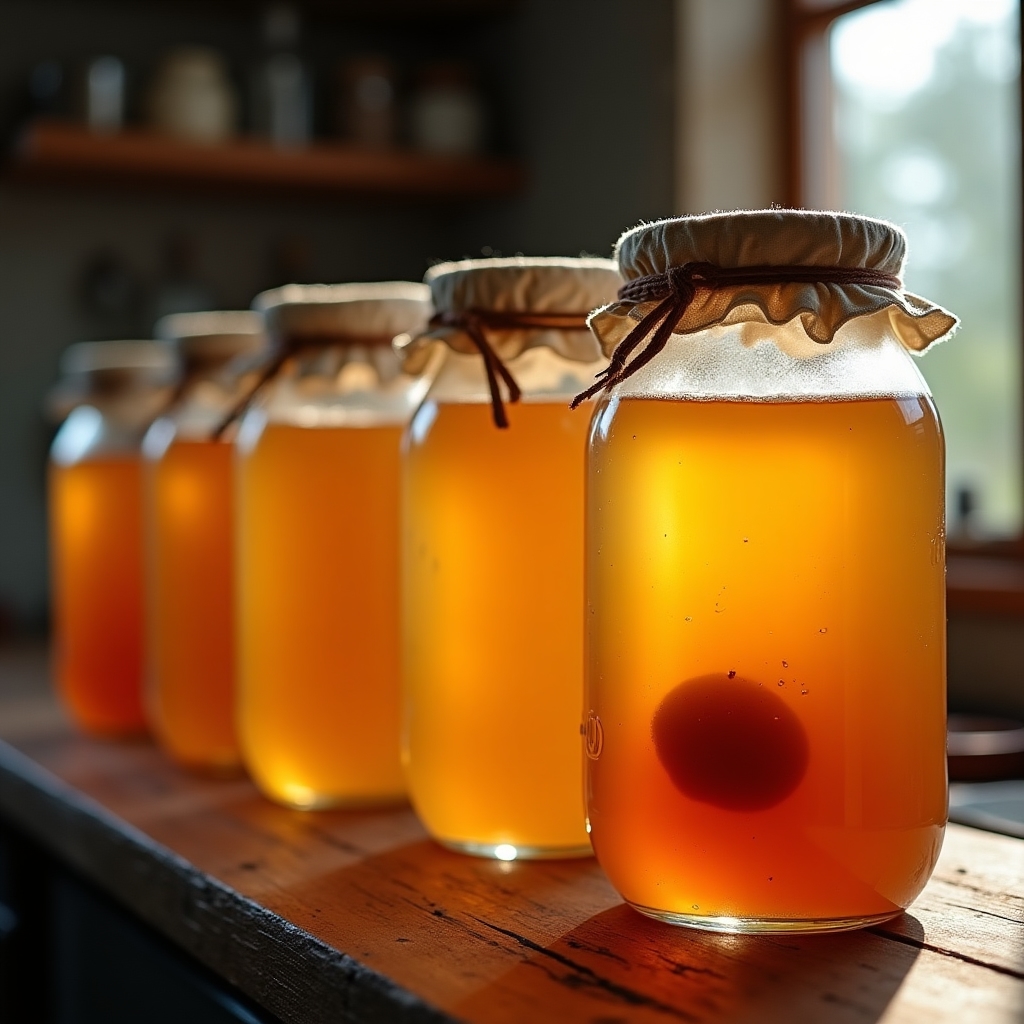
Ferment.
Understand.
Create.
Practical video lessons covering kombucha brewing, kimchi preparation, kefir making and vegetable lacto-fermentation. Learn safe techniques and culture maintenance from your own kitchen.
Fermentation knowledge built for home kitchens
Xaxoza Hohahe is an educational platform focused entirely on practical fermentation skills. We don't sell products or make health claims. We teach process.
Each course module walks through a specific fermentation method in detail. You watch, you follow along, you build the skill. The focus stays on understanding what's actually happening in the jar so you can troubleshoot confidently and develop your own variations over time.
The curriculum covers four core areas: kombucha brewing with SCOBY maintenance, kimchi preparation from scratch, dairy and non-dairy kefir production, and vegetable lacto-fermentation across a wide range of produce.
Read Our Story
Four steps from beginner to confident fermenter
Choose a Course
Browse available modules by fermentation type. Each course is self-contained and designed to work independently or as part of a sequence.
Gather Your Equipment
Each module includes a clear ingredient and equipment list. Everything on the list is available at standard grocery stores or kitchen supply shops.
Follow Along
Watch step-by-step video lessons at your own pace. Pause, rewind, repeat. The format is designed for real kitchen use, not just passive viewing.
Ferment and Refine
Apply what you've learned, observe results, and revisit lessons to refine your technique. Troubleshooting guides are included in every module.
Practical curriculum designed for real kitchens
Every lesson module is built around what you actually need to know to ferment safely and consistently at home. No filler. No vague theory without application.
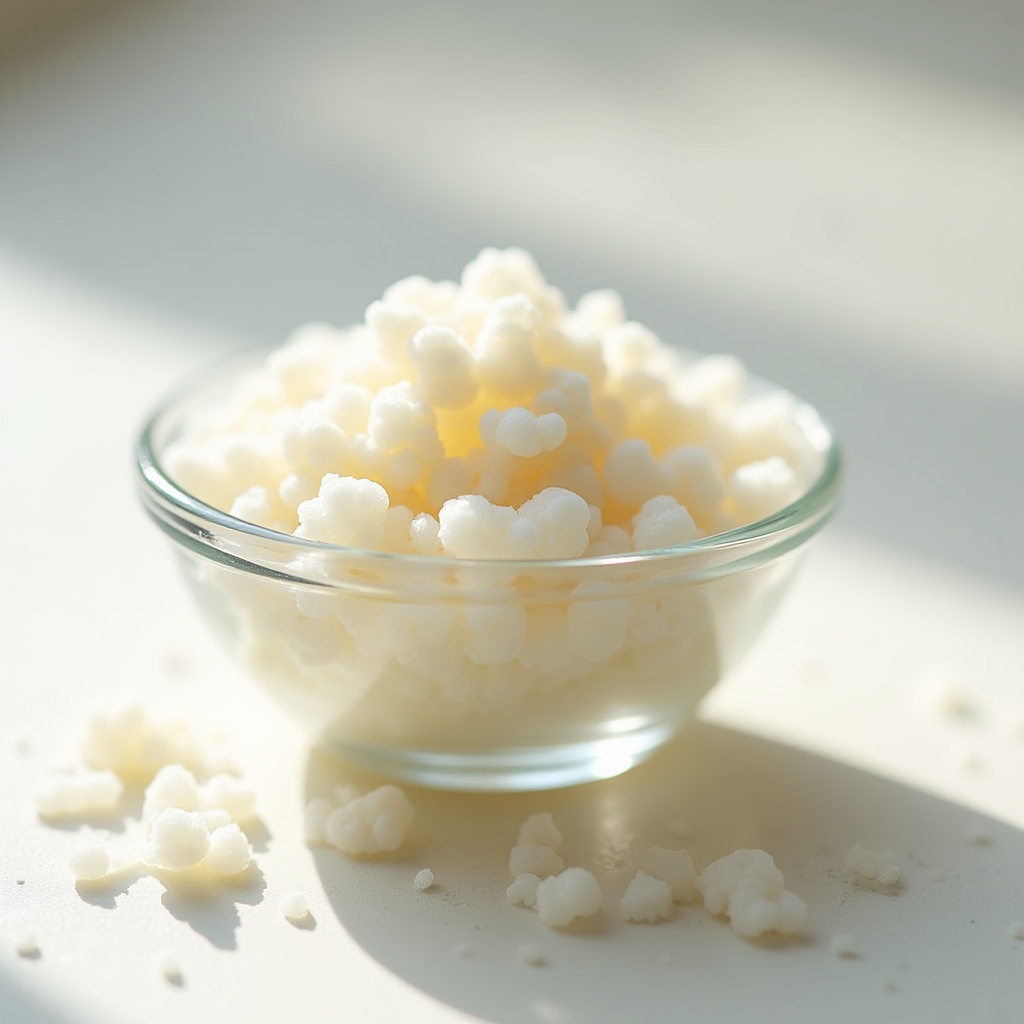
Safe Fermentation Practices
Understand sanitation, pH awareness and signs of healthy versus compromised ferments. Each module addresses safety in context, not as an afterthought.
Culture Maintenance Techniques
Learn how to feed, store and revive SCOBY cultures, kefir grains and brine starters across different conditions and seasonal changes.
Flavoring and Variation
Explore secondary fermentation flavoring for kombucha, spice variations in kimchi, fruit additions in kefir and brine ratios in vegetable ferments.
Troubleshooting Guidance
Dedicated troubleshooting segments in each course cover common issues: off smells, texture problems, slow fermentation and mold identification.
Learn at Your Own Pace
Video lessons are available on demand. No scheduled sessions, no expiring access windows. Return to any lesson whenever you need a refresher.
Written Reference Materials
Each module includes downloadable written guides covering ratios, timelines, temperature ranges and equipment care notes for use alongside videos.
Explore fermentation by category
Kombucha Brewing
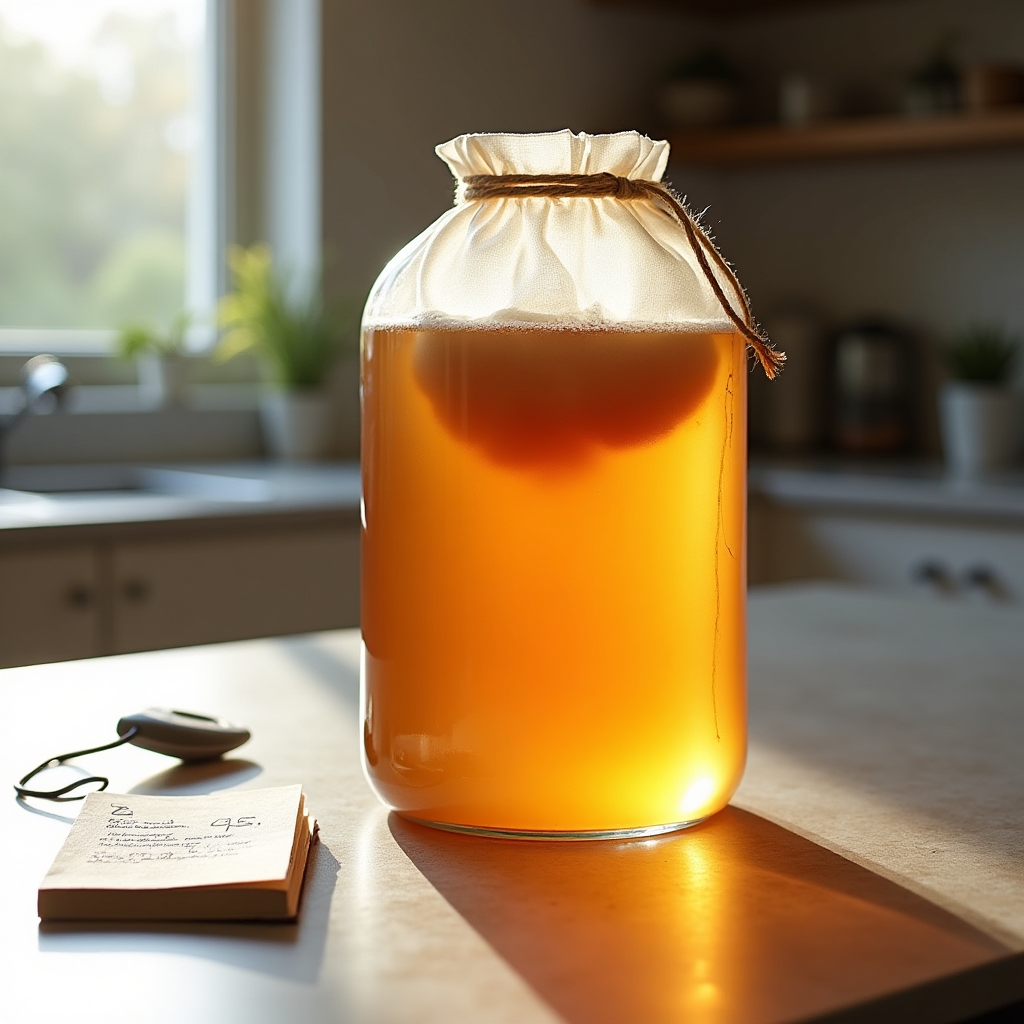
Start from the very beginning: understanding the SCOBY, brewing sweet tea as the base, maintaining fermentation temperature and managing pH. The kombucha module covers first fermentation fully, then moves into second fermentation techniques for carbonation and flavoring.
You'll learn how to build a SCOBY hotel, troubleshoot weak carbonation, and create flavor additions using fruit, ginger, herbs and spices. Culture maintenance across seasons is addressed in depth.
- SCOBY cultivation and care
- First and second fermentation stages
- Carbonation control and bottling
- Seasonal flavor variations
Kimchi Preparation
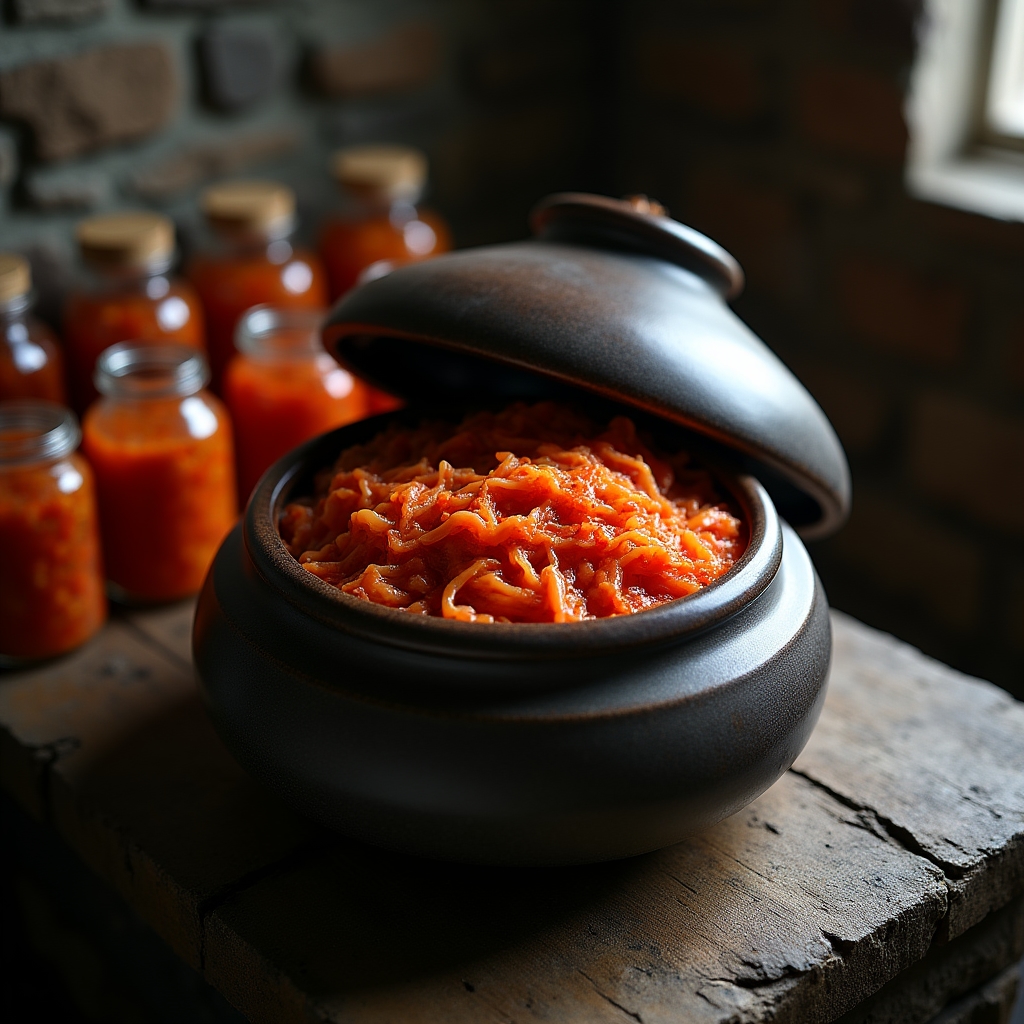
Kimchi is more than a recipe. It's a fermentation method that varies significantly by vegetable type, climate, storage and personal taste. This module covers traditional napa cabbage kimchi in full, then branches into radish, cucumber and mixed vegetable variations.
Salting techniques, paste preparation, packing method and fermentation timing are all covered with the kind of detail that helps you adapt confidently rather than follow blindly.
- Salting and drawing out moisture
- Paste preparation and spice ratios
- Fermentation timing and storage
- Vegetable variations beyond cabbage
Kefir Making
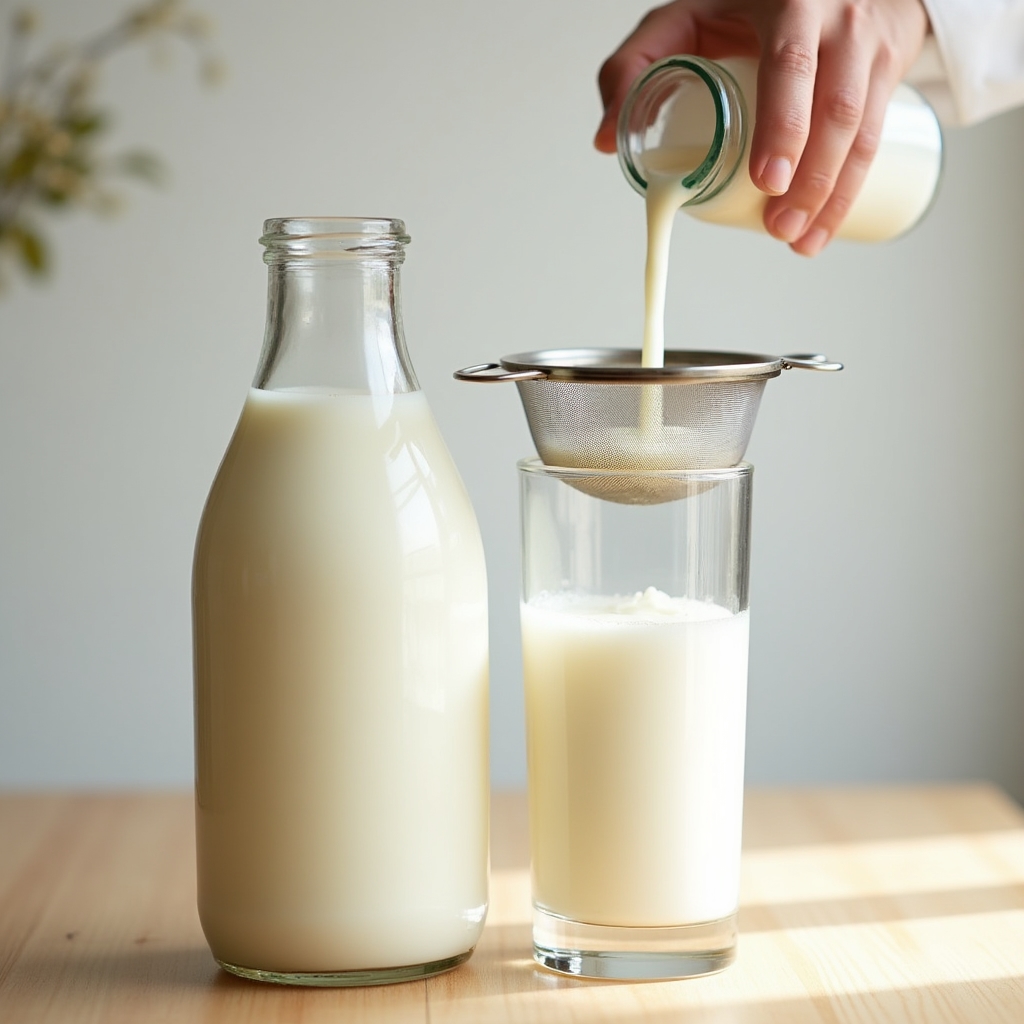
Kefir grains are live cultures that transform milk into a tangy fermented drink through a 24 to 48 hour process. This module covers dairy kefir in detail, then addresses non-dairy alternatives using coconut milk and oat milk as substrates.
Grain care, fermentation duration, straining, second fermentation for carbonation and long-term grain storage are all addressed. You'll also learn how to identify healthy versus struggling grain cultures.
- Dairy and non-dairy kefir production
- Grain feeding schedules and ratios
- Second fermentation and flavoring
- Long-term grain storage methods
Vegetable Lacto-Fermentation
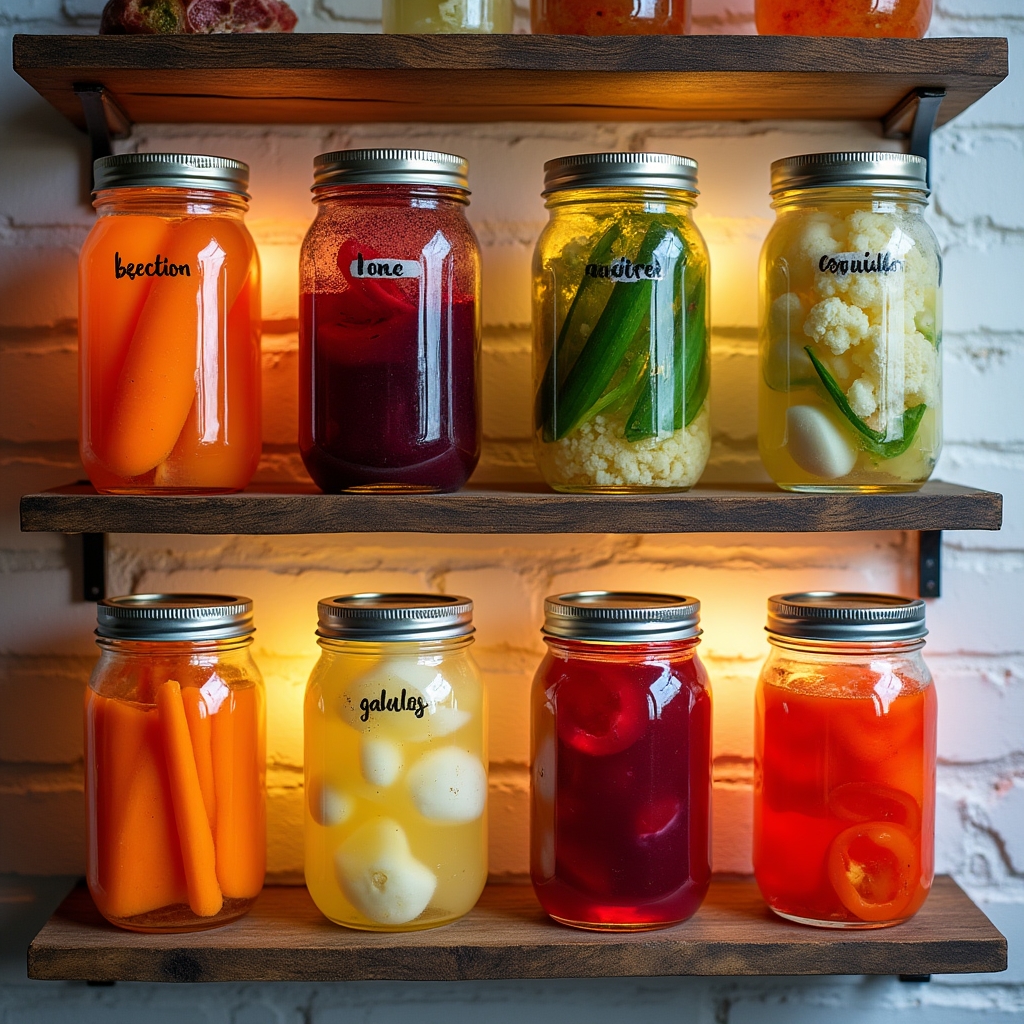
Lacto-fermentation is one of the oldest preservation methods in human history. This module covers the salt brine method for a wide range of vegetables: carrots, beets, garlic, green beans, peppers, cucumbers and more.
You'll learn brine ratios, jar packing technique, airlock versus open-crock methods, fermentation timelines by vegetable type and how to read fermentation progress accurately. A dedicated section covers wild fermentation versus starter-culture approaches.
- Salt brine ratios by vegetable type
- Airlock and open-crock methods
- Wild versus starter-culture fermentation
- Fermentation timeline reading
A look inside the curriculum

Explore available courses and upcoming lesson schedules
View the full list of available course modules, check upcoming session availability and find the fermentation track that fits where you are right now.